
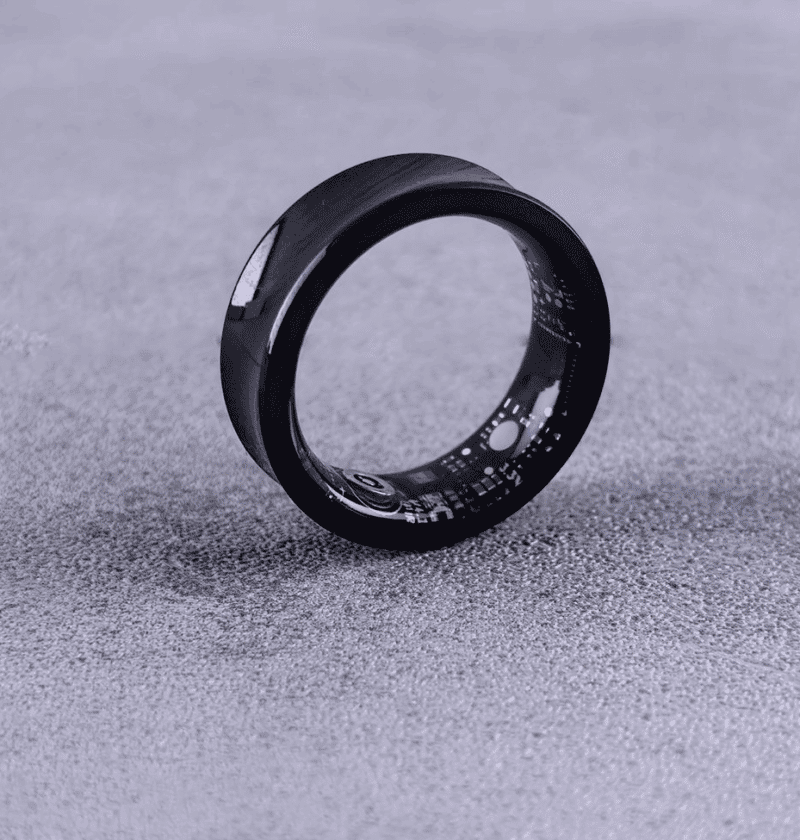
I have worn a wearable safety bracelet for several years, and I still remember how strange it felt in the first few weeks. The band seemed stiff, and the clasp kept catching on my sweater. I checked it constantly without meaning to, the way you check a pocket for your keys. Many people feel the same way at the start. Over time that feeling faded for me, but only after I changed a few small things about how I wore it.
This article is for you if you want to learn to love your wearable safety bracelet again, or at least wear it without thinking twice. A safety bracelet only helps when it stays on the wrist. Many people leave theirs in a drawer because it irritates the skin or simply feels out of place. In our experience, small changes to the fit and the band material often make a real difference. The steps below cover those changes one at a time, from the first fitting to a daily routine you can keep.
Why you might need to learn to love your wearable safety bracelet again
Many wearers stop feeling good about their bracelet after a few months. The novelty wears off, and the daily reminder of a health condition can start to feel heavy. I know that feeling well. Some days I forgot the bracelet was on at all. Other days it rubbed against my wrist and pulled my attention away from everything else I was doing.
The causes are usually practical. A band may feel too tight after a warm holiday or too loose after a change in weight. Metal clasps can scratch the skin, and a dirty strap can start to smell. Each of these problems is small on its own. Together, though, they can turn a helpful tool into a daily annoyance that is hard to ignore.
Most of these problems can be fixed, and the resource guide on styling a medical alert bracelet through the four seasons can be a helpful starting point. It is worth a look if you want a structured approach. You can uncover the tips there. Once you know what is bothering you, you can adjust the fit or swap the band, and that process often helps people feel at ease again.
Finding a comfortable fit for daily wear
Fit makes the biggest difference to comfort. A bracelet should sit snugly enough to stay in place without pressing into the skin. A loose fit often causes more trouble than a snug one, because the bracelet knocks against the wrist bone and catches on sleeves. I use one simple test. I slide one finger under the band. If it fits that way, the bracelet should feel comfortable for most of the day.
Start by checking the sizing information that came with your bracelet. If you cannot find it, contact the provider and ask for a replacement guide. Measure your wrist at the end of the day, since hands and wrists often swell a little with heat or activity. That timing gives you a more realistic number to work from.
Once the fit feels right, watch how the bracelet moves when you type, reach or lift a bag. Some people find that a slightly different position on the wrist makes a noticeable difference. I found the same thing with mine. I moved mine a little toward my elbow and the catching eased. Small adjustments like that can take a bracelet from annoying to easy to forget.
Choosing the right band for each season
The seasons change how a bracelet feels on the wrist. Warm weather brings sweat and more skin contact, while cold weather brings heavier sleeves and bulky layers. A band that works well in July may feel awkward in January. I keep two options on hand, so I am never stuck with one material all year. Switching bands with the season is simple and needs no special tools, and I keep the spare in a labeled pouch so it is easy to find when the weather turns.
Warm weather wear
Lightweight silicone or fabric bands are often easier to wear when it is hot. They tend to breathe more than thick leather and dry faster after a swim. After a day at the beach, rinse the band with mild soap and water. That keeps salt and sunscreen from building up on the skin underneath.
Cold weather layering
Winter sleeves can snag on a metal clasp and push the bracelet out of place. A softer band or a slightly longer strap helps it sit over a layer without pinching. When you come inside, check the wrist. Dry air and cold can make the skin feel tender, so a quick look at that point is worth the minute it takes.
Simple care habits that keep your bracelet looking new
A bracelet that looks worn out is harder to like. Dirt and lotion collect in the clasp and along the edges of the band, and over time the surface can dull or fade. Most of this happens slowly, so it is easy to miss until the band looks tired. A few minutes of care each week keeps things fresh and helps the bracelet stay easy to read.
Wipe the band with a soft cloth and a little mild soap. Dry it fully before you put it back on, since trapped moisture can irritate the skin. Avoid harsh cleaners, bleach or strong solvents, because they can weaken fabrics and damage finishes. Doing this on the same day each week makes it easy to remember.
- Wipe the band once a week with a soft, damp cloth
- Check the clasp for loose parts or bent metal
- Replace the band when the material cracks, stretches or starts to smell
Check the printed information on the bracelet too, because faded details are hard to read in a hurry. If the text has worn away, contact the provider about updating it. Clear text matters most when someone else needs to read it in a hurry, so this small check is worth the time.
Building a daily routine that makes wearing it feel natural
A set routine makes the bracelet easier to live with. Many people put on a bracelet at the same time each day, such as right after showering or getting dressed. That simple cue turns the bracelet into part of the routine instead of something you have to think about.
I attach mine to my morning routine, so I never wonder whether it is on. Some people link it to a nightly check instead, looking at the band and the skin before bed. Either way, a consistent routine makes the bracelet feel less like a chore.
Handling setbacks without frustration
Setbacks happen to me too. A bracelet might catch on a jacket, or the clasp might loosen at a bad moment. Stay calm, reattach it and look for the cause so the same problem does not repeat. Checking the clasp each morning is a simple way to spot a loose part early, and frustration fades quickly once the fix is clear.
Try one or two habits that suit your life and stick with them for a few weeks before adding anything else. Each small win builds confidence, and that confidence makes the bracelet easier to live with.
Final thoughts on keeping your safety bracelet close and ready
Wearing a safety bracelet every day takes a little patience. The right fit, a comfortable band, gentle care and a steady routine can change how the bracelet feels on your wrist. Most of the frustration people describe comes from small problems that can be solved with a little attention.
The seasons will keep changing, so your approach may need to change with them. Keep a spare band ready and check the fit when the weather shifts. When you want fresh ideas, the seasonal guide I mentioned earlier is a helpful place to start. Keeping the spare in an easy spot makes that switch quick.
Start today by checking the fit or cleaning the band, then pick one idea from the seasonal guide to try this week. Write down the habit you chose so it is easy to check in on. Revisit the list in a few weeks and adjust anything that still feels off. Taking a few minutes at the start of each week keeps the plan on track. A bracelet that feels comfortable is easier to keep on, and steady habits make it feel natural every day.